|
This first workshop has yielded very positive results. The assessment of molecular biology capacities for malaria (parasites and vectors) produced very encouraging findings and allowed us to appreciate that infrastructure is not necessarily the main challenge: participating countries have, at different levels, sufficient infrastructure to conduct molecular biology analyses. However, one of the main contributions of this meeting has been the opportunity to strengthen collaboration and begin working as a network, bringing together the efforts of countries that are already using these tools with those that are taking their first steps or need to strengthen their capacities.
Following this first workshop, we want to respond to the requests received from the participating countries. We already have a series of proposed activities and a regional roadmap, as well as country-specific roadmaps, which will allow us to move forward in a more coordinated manner. In the coming months, we will work on developing Standard Operating Procedures (SOPs) for the network and strengthening capacities in specific methodologies, not only for species identification, but also for the use of molecular markers associated with resistance to antimalarial drugs. We will also support surveillance of other biological risks, such as the detection of HRP2/3 deletions to guide the appropriate use of rapid diagnostic tests (RDTs), insecticide resistance, among other concrete actions agreed upon with the focal points designated by the Ministries of Health of the participating countries, in collaboration with academic institutions and technical experts present at the meeting.
I hope that the upcoming activities of the MMS Américas Network will allow us to continue strengthening the capacities of countries in the region to guide the use of molecular biology tools and support the efforts of malaria programs toward the common goal of elimination. At the same time, I hope we can consolidate a network through which we can share experiences, knowledge, and resources. |
| |
 |
|
I would also like to highlight another aspect that we must not overlook: the people. Many of the individuals who participated in this meeting had not met one another before, and over the course of these days, new connections were established among colleagues from neighboring countries who work on similar issues. I believe this is a fundamental starting point for building a strong network.
I would like to congratulate the participants for their dedication and focus throughout these three days of discussions and joint analysis, and I would also like to thank UPCH for welcoming us and hosting this first workshop.
|
|
María de la Paz Ade Torrent |
|
|
| |
|
First Regional Workshop on the Implementation of the MMS Américas Network: Laying the Foundations for Malaria Elimination |
|
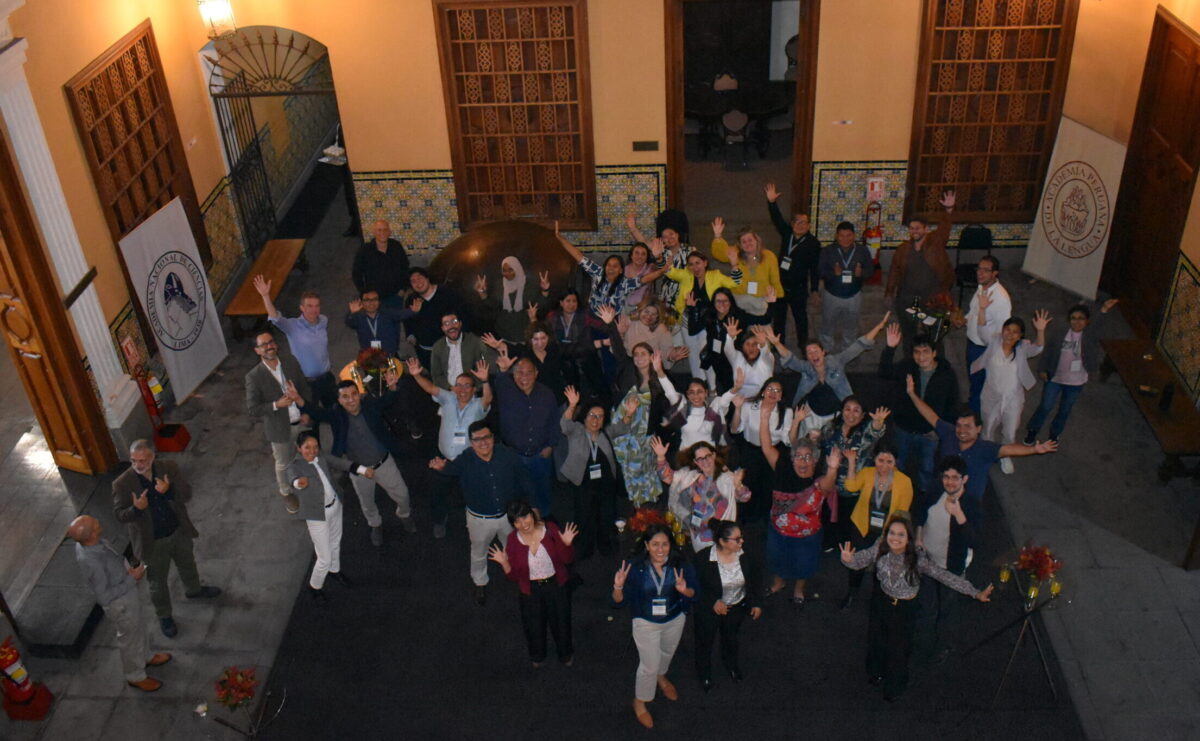
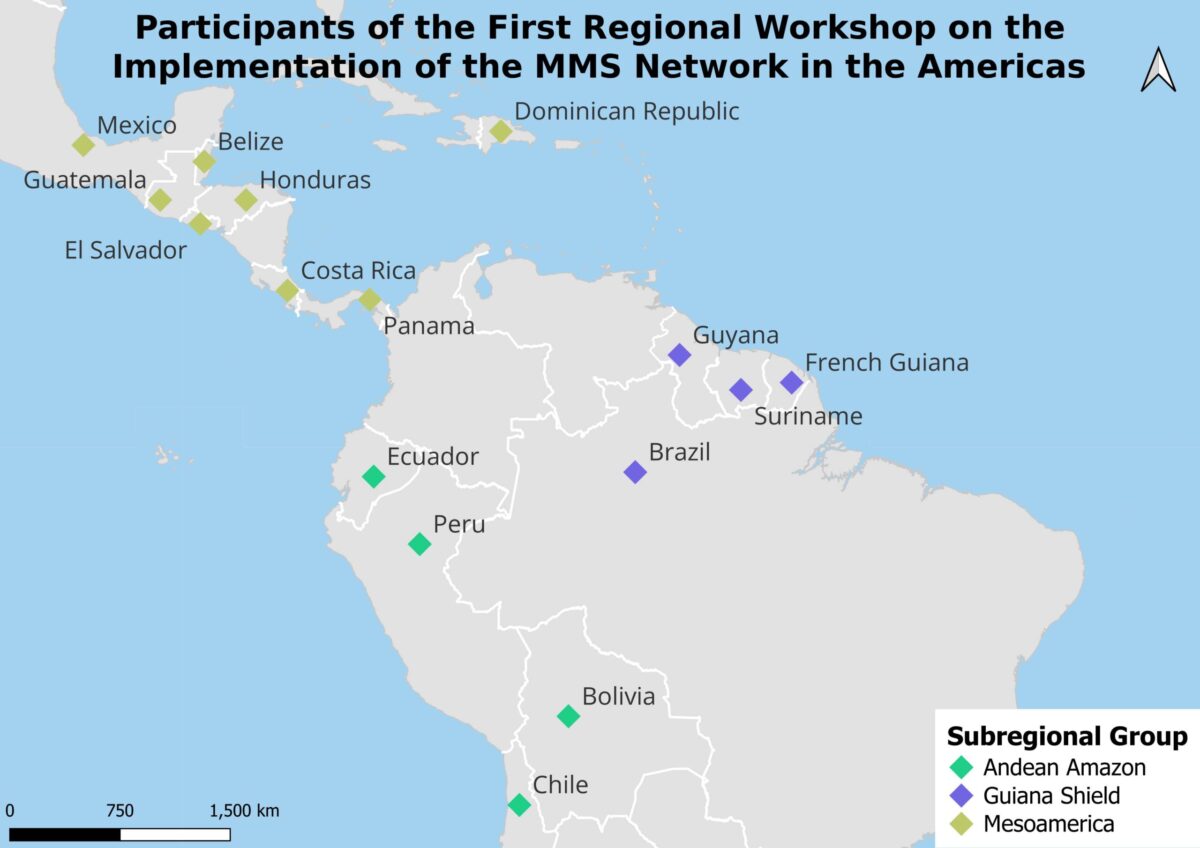
During the last week of August, the First Regional Workshop on the Implementation of the MMS Américas Network was held, bringing together representatives from 16 countries across Latin America and the Caribbean. The workshop aimed to lay the foundations for the implementation of the network and define priorities for its initial activities.
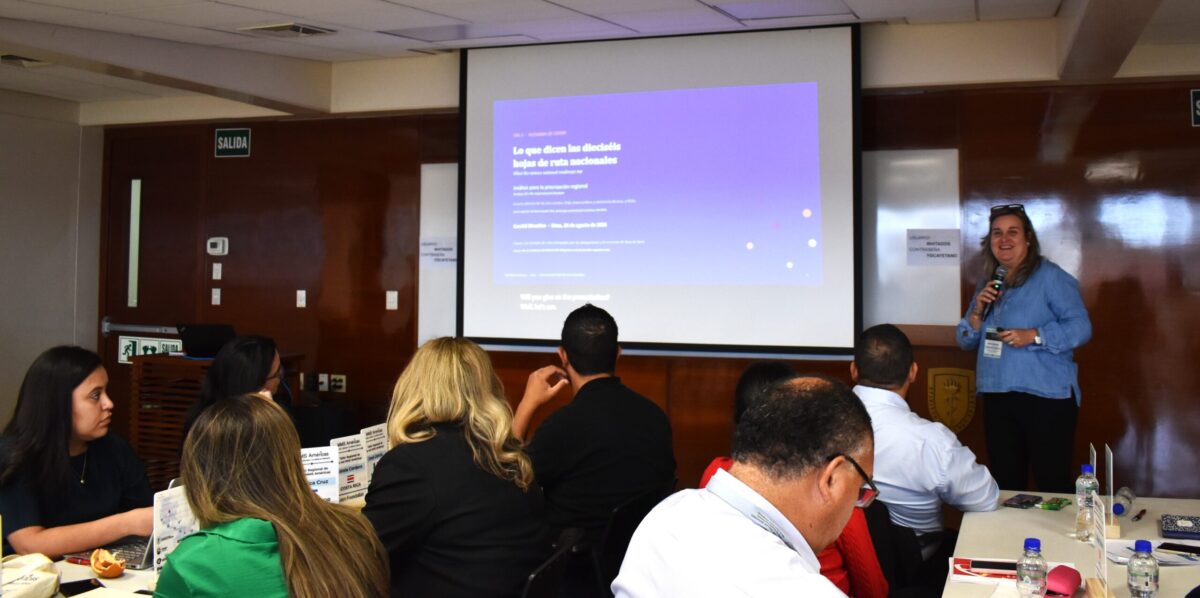
The first day focused on providing participants with knowledge and establishing a foundation for understanding the potential of molecular surveillance as a tool for malaria control and elimination programs. Participants were divided into working groups, with representatives from different countries in each group, to promote the exchange of experiences and perspectives. Through the presentation and discussion of cases involving the use of molecular surveillance across different stages of parasite transmission, participants explored its potential applications and the value it can bring to malaria control and elimination strategies in the region.
On the second day, participants worked in subregional groups with the aim of identifying the priorities and needs specific to each context. The discussions contributed to the development of a set of priorities that considers the capacities required and the strengthening needs in each subregion.
The third day of the workshop focused on the national level. Each country developed a preliminary national roadmap based on the priorities and needs identified during the previous sessions. Subsequently, participants worked on a regional list of priorities for the initial and future activities of the MMS Américas Network.
The workshop enabled a progressive approach, moving from the exchange of experiences and regional analysis to the identification of subregional priorities and, finally, the planning of concrete actions at the national level. The outcomes provide a starting point for strengthening cooperation among countries and consolidating MMS Américas as a regional platform for collaboration, capacity building, and knowledge exchange. |
|
|
| |
|
From National Capacities to a Regional Network: Implementing the MMS Américas Network |
|
International collaboration has been fundamental in addressing diseases where the number of cases, the level of specialization required, or the diversity of available information exceed the capacities of a single institution or country. In the case of oncological diseases, differences in expertise and resources among European countries led to the development of networks such as EURACAN, which connect specialized centers to facilitate access to knowledge, expertise, and specialized care, as well as to promote the harmonization of practices. On the other hand, in Parkinson’s disease research, international collaborations have made it possible to integrate researchers, samples, and genetic and molecular data from different populations, improving the capacity to study genetic diversity and the mechanisms associated with the disease.
These examples show that the value of an international network lies not only in bringing institutions together, but in connecting complementary capacities. Knowledge exchange, the standardization and harmonization of methodologies, data integration, capacity development among personnel, and the generation of evidence that can contribute to decision-making are principles that are expected to be developed through the MMS Américas Network.
In this context, the MMS Américas Network, through workshops and staff training, can leverage the existing capacities in different countries and connect them through common procedures, methodological exchange, and collaboration among institutions. Similar to collaborations in Parkinson’s disease research, which focus on genetic and molecular studies, the standardization of methodologies would allow results obtained from different laboratories to be comparable and integrated.
The integration of these capacities is particularly relevant for molecular surveillance of malaria, where genetic tools provide information on different aspects of the parasite and its transmission. This network will enable the sharing of knowledge, methodologies, and data that can transform national capacities into a regional surveillance capacity, strengthening the generation of evidence to guide actions for the control and elimination of the parasite. |
|
|
| |
|
Golfier, F., & Seckl, M. J. (2024). From National to International Collaboration in Gestational Trophoblastic Disease: Hurdles and Possibilities. Gynecologic and obstetric investigation, 89(3), 254–258.
Gutierrez-Arratia, J., Saffie-Awad, P., Schuh, A. F., & Cornejo-Olivas, M. (2026). Global research synergy: Advancing fundamental Parkinson's research through international collaboration. Journal of Parkinson's disease, 1877718X261478730.
|
| |
|
RECENT AND UPCOMING EVENTS
|
| |
|
São Paulo, Brazil
April 19–22, 2027 |
| |
|
This scientific conference brings together experts from academia, government, and industry to advance research, prevention, and control of mosquito-borne diseases, such as dengue, Zika, and chikungunya, across the Americas.
Abstract submission deadline: October 17 |
| |
|
10th International Conference on Plasmodium vivax Research (ICPvR 2027)
|
| |
|
Lima, Peru
May 19–21, 2027 |
| |
|
The 10th edition of the International Conference on Plasmodium vivax Research will bring together leading scientists, clinicians, and public health professionals to exchange recent discoveries and innovations in Plasmodium vivax research.
Abstract submission deadline: November 15 |
| |
|
Additional workshops, webinars, and training opportunities are available on the MMS Americas website workshops section.
|
| |
|
mmsamericas.network@gmail.com |
| |
|
Building regional collaboration for malaria molecular surveillance across the Americas. |
| |
|
“Were you forwarded this email? You can subscribe to directly receive this in your inbox.” |
| |
|