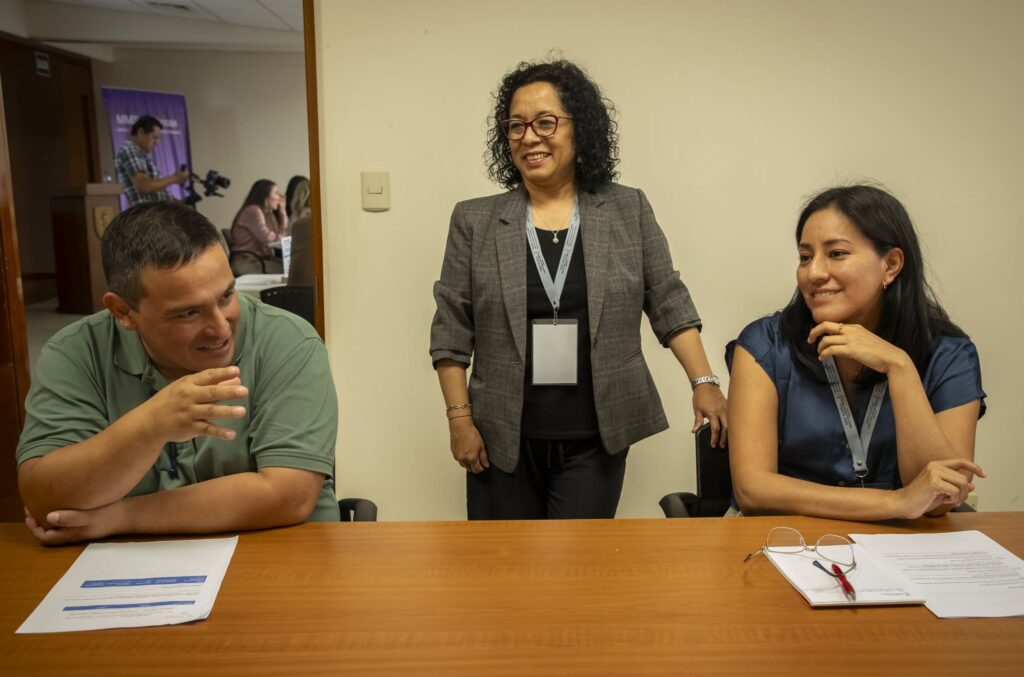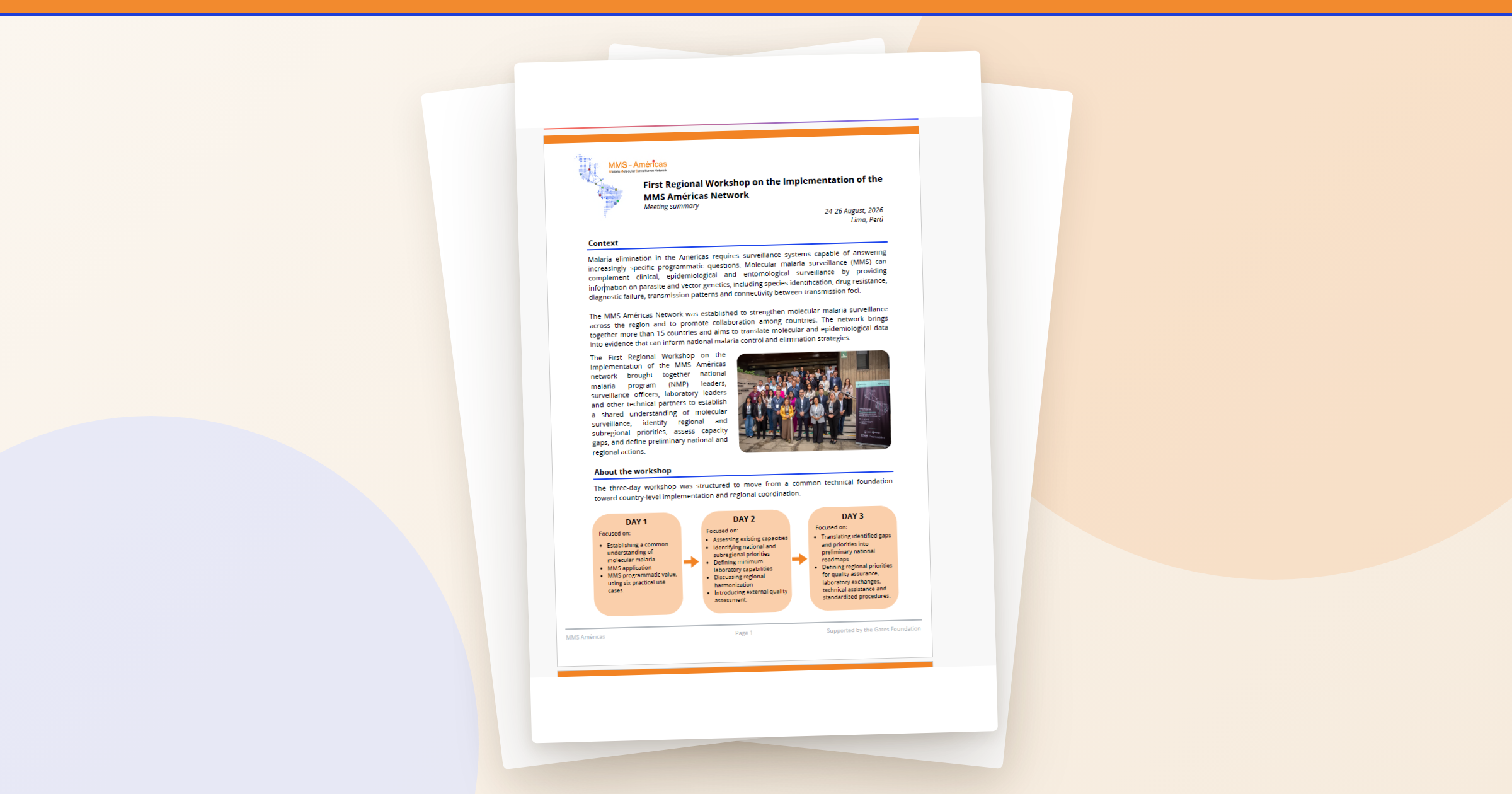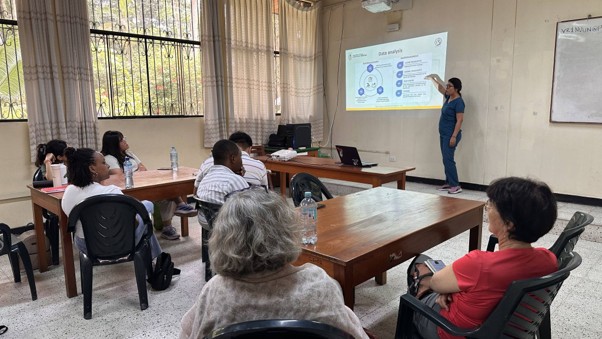
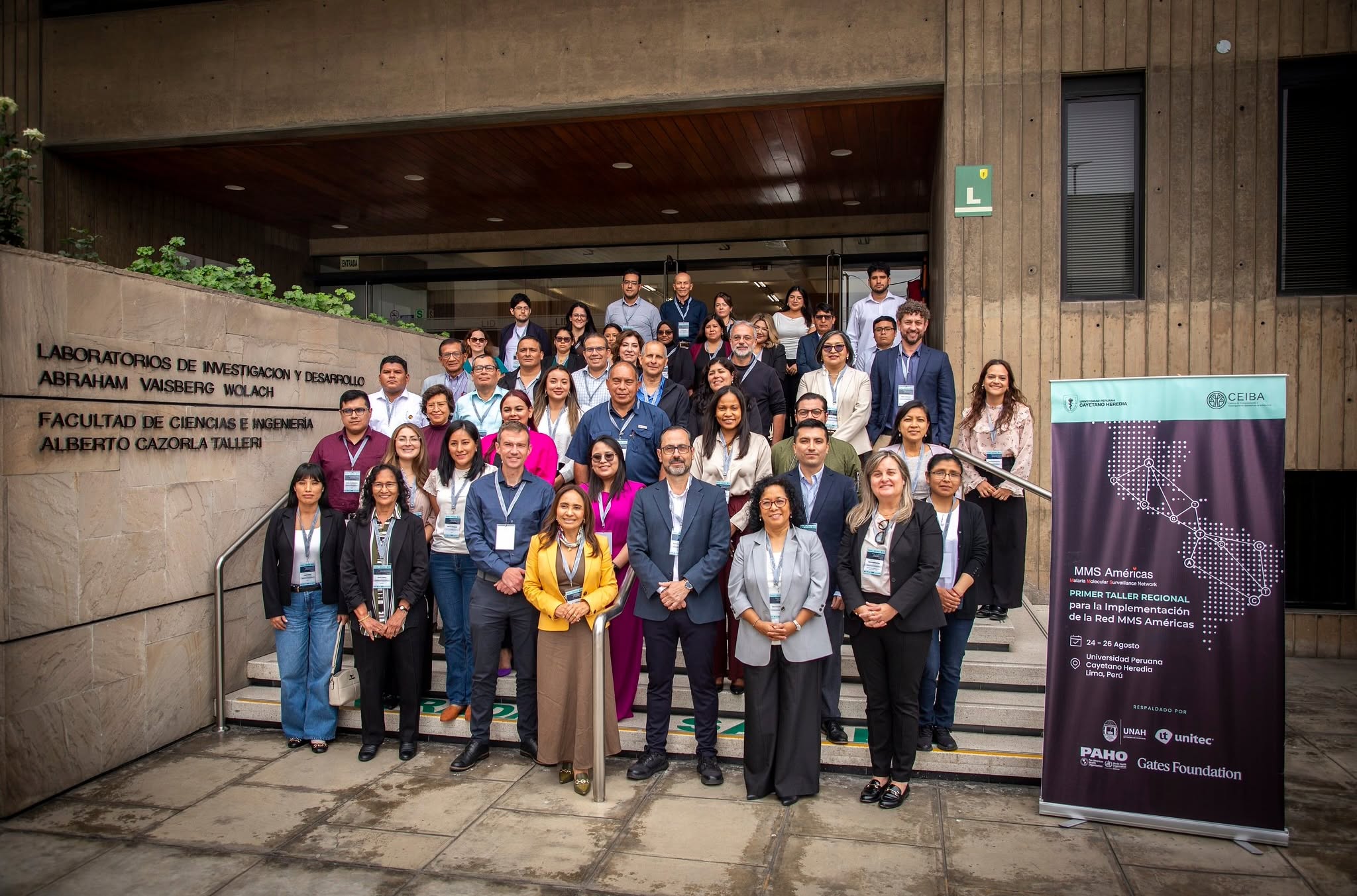
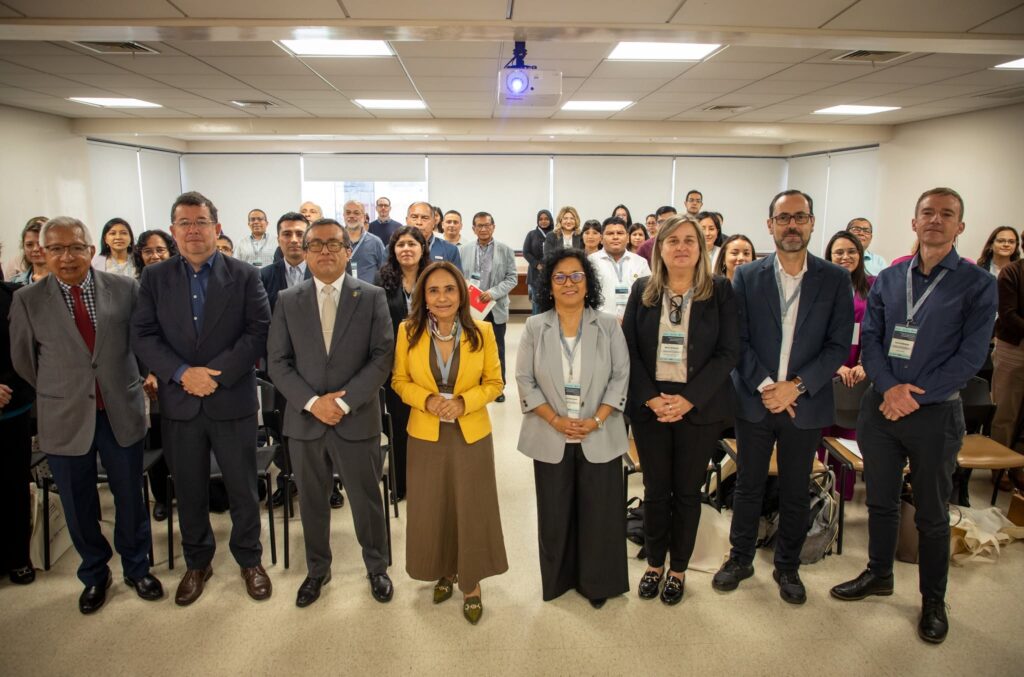
The First Regional Workshop on the Implementation of the MMS Américas Network closed in Lima with preliminary national roadmaps and three shared lines of work to bring molecular malaria surveillance into practice. Over three days, from August 24 to 26, the workshop brought together representatives of national malaria programs, reference laboratories, researchers and specialists from more than 15 countries in Latin America and the Caribbean.
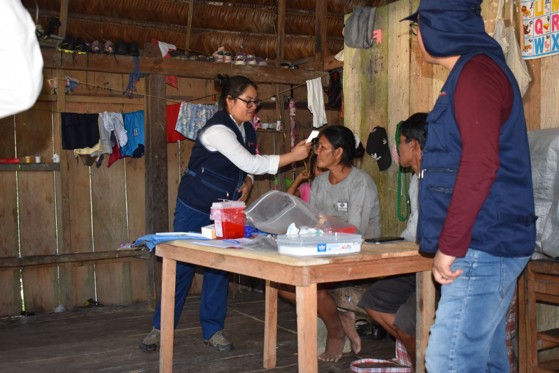
Molecular surveillance reads in the genetic material of the parasite what a microscope or a rapid test cannot show. It can reveal, for example, whether a test returns a false negative because Plasmodium falciparum has lost the genes that allow that test to detect it, or whether a case originated in one country or arrived from another, a distinction that matters for countries moving toward elimination. The central conclusion of the workshop was that the region already has significant technical capacity, and that progress will depend on collaboration and on building on the strengths each country brings.
Questions a microscope cannot answer
Beyond diagnostic failures and the origin of cases, the first day worked through other questions molecular surveillance helps answer. Participants addressed how to detect submicroscopic infections, those of people carrying so few parasites that a microscope cannot see them and who, without symptoms, may keep sustaining transmission. They also examined how to identify genetic markers of resistance to antimalarials in the parasite, and to insecticides in the mosquito, in order to act before control measures lose effectiveness.
The day also covered connectivity analysis between transmission foci, which shows whether parasites circulate between different areas. Participants further highlighted the importance of integrating molecular surveillance of mosquito vectors as a complement to malaria control strategies.
A map of what is there and what is missing
The second day focused on the region’s laboratories. The network’s regional assessment of laboratory capacity showed that most countries have basic infrastructure and skills in molecular biology, alongside persistent gaps in bioinformatics, quality assurance, access to laboratory supplies and sustained financing. The bioinformatics gap is decisive, because a genetic sequence becomes useful to a health program only when someone can analyze and interpret it.
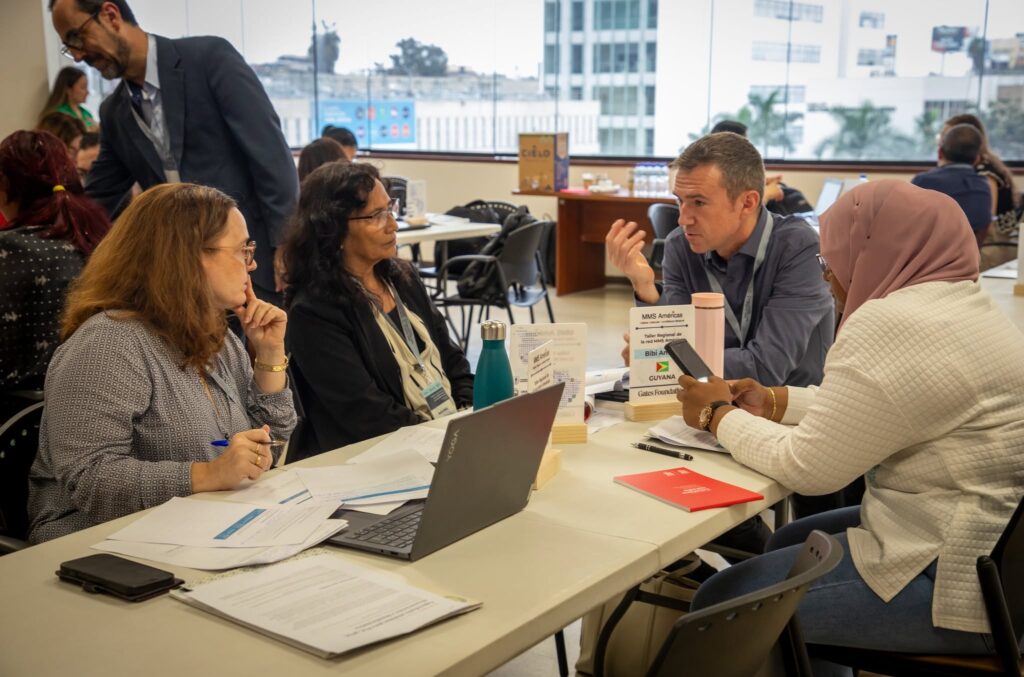
Working in subregional groups, delegations from Mesoamerica and the Caribbean, the Andean Amazon and the Guianan Amazon identified their own priorities and found common ground, including strengthening molecular diagnosis and resistance surveillance, investigating imported cases and harmonizing procedures across countries. They also defined the minimum requirements for advancing in molecular diagnosis, sequencing and bioinformatics, and prioritized the development of standard operating procedures (SOPs).
National roadmaps, shared direction
On the final day, each national delegation drafted a preliminary roadmap with objectives, priority activities and support needs for the next 6 to 12 months. Reviewed together, they showed that demands recur from one country to another and concentrate on bioinformatics, SOPs, technical training, external quality assessment and laboratory exchanges.
On that basis, the MMS Américas Network agreed on three priority lines that will form part of its 2026-2028 work plan. The first is to expand laboratory participation in the World Health Organization’s external quality assessment program for molecular malaria testing (WHO Malaria NAAT EQA), so that a result obtained in Honduras is comparable to one obtained in Peru or Brazil. The second is to establish mechanisms for exchange and technical assistance between institutions, so that one laboratory’s experience can shorten another’s path. The third is to develop harmonized procedures and technical guidance, which the network plans to make available to its members on a multilingual digital platform.
The MMS Américas Network has been led since April 2026 by Universidad Peruana Cayetano Heredia, through its Center for Training and Biomedical Research in the Amazon (CEIBA), together with Universidad Nacional Autónoma de Honduras. Its Steering Committee includes the Harvard T.H. Chan School of Public Health and the Pan American Health Organization, and the initiative is funded by the Gates Foundation.
The workshop marked the shift from a network under construction to a network with defined tasks. The goal is that, when a test comes back negative while the parasite is present, every country in the region has the capacity to investigate why, and data that can be compared and read the same way on either side of the border.