
Archives: News
-
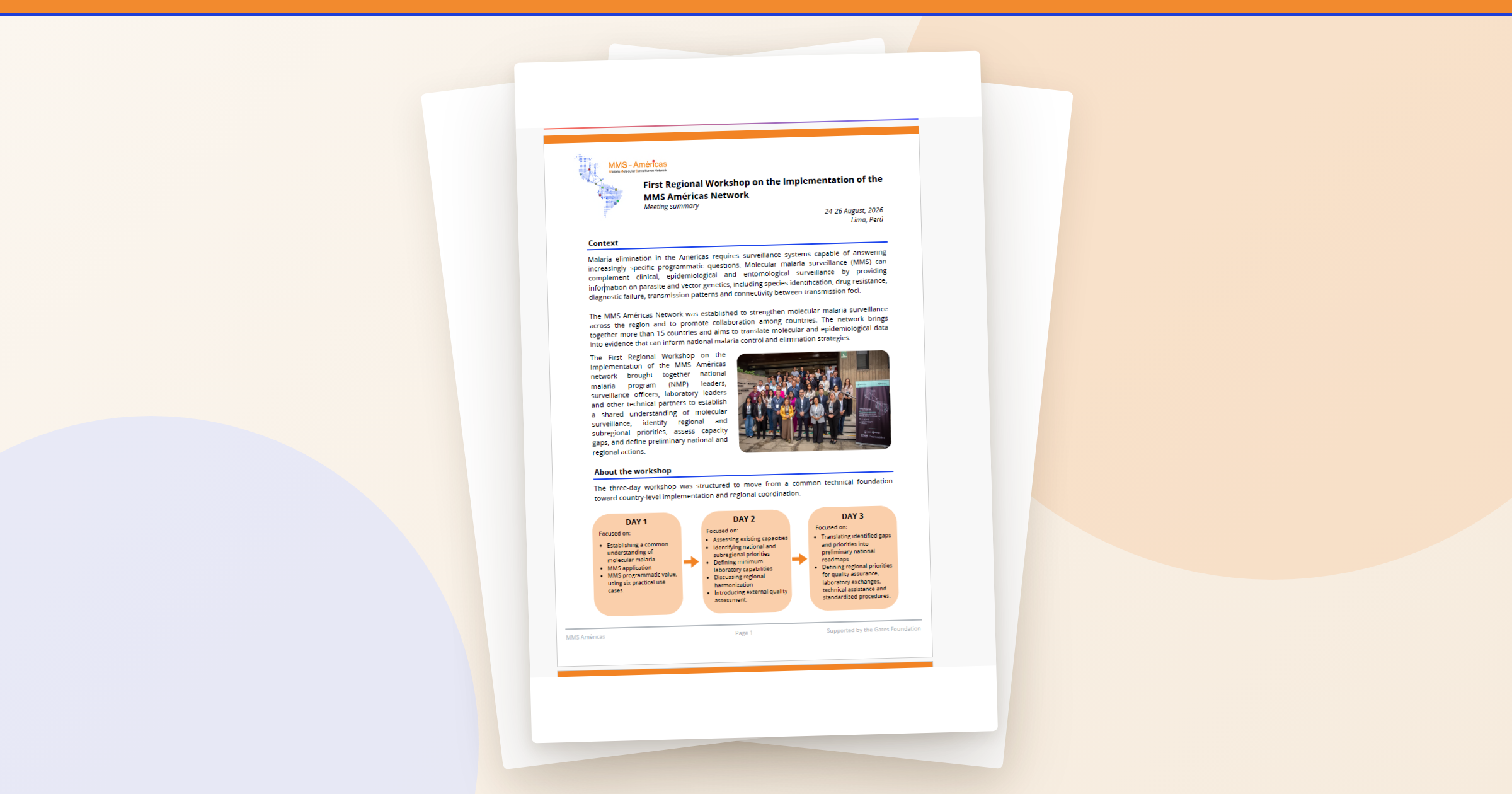
Meeting summary: results and agreements from the First Regional Workshop of the MMS Américas Network
The summary document of the First Regional Workshop on the Implementation of the MMS Américas Network, held in Lima from August 24 to 26, 2026, is now available. It compiles the technical discussions, the results of the regional capacity assessment and the agreements reached by participating countries. The workshop brought together national malaria program leaders,…
-
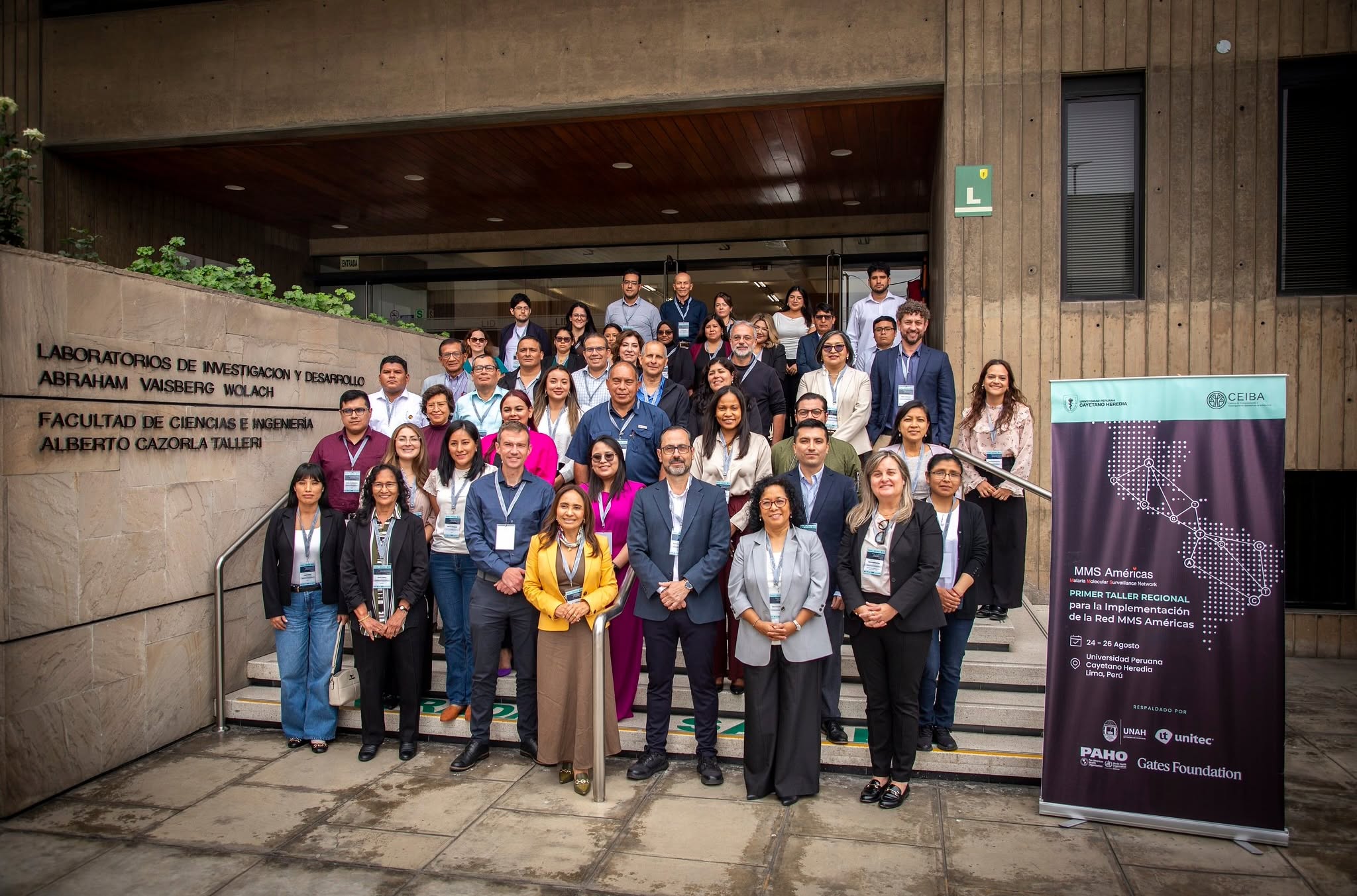
Countries across the Americas agree on shared priorities for molecular malaria surveillance
The First Regional Workshop on the Implementation of the MMS Américas Network closed in Lima with preliminary national roadmaps and three shared lines of work to bring molecular malaria surveillance into practice. Over three days, from August 24 to 26, the workshop brought together representatives of national malaria programs, reference laboratories, researchers and specialists from…
-
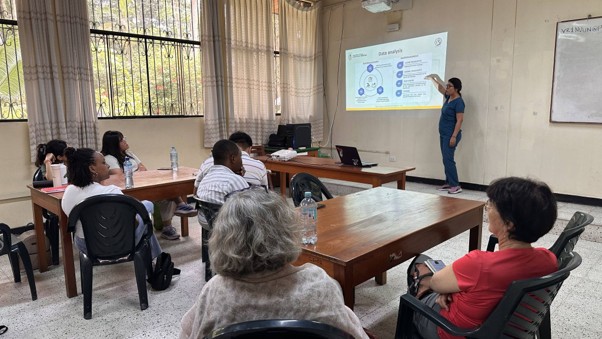
Challenges in Regional Collaboration: Data Sharing for Malaria Elimination
The Americas have made progress toward malaria elimination, with initial reductions of Plasmodium falciparum and P. vivax cases; however, this declining trend has not been maintained, with case numbers fluctuating in recent years. Therefore, achieving malaria elimination will require enhanced regional collaboration and coordinated strategies among countries across the Americas. Establishing such a comprehensive collaboration…
-
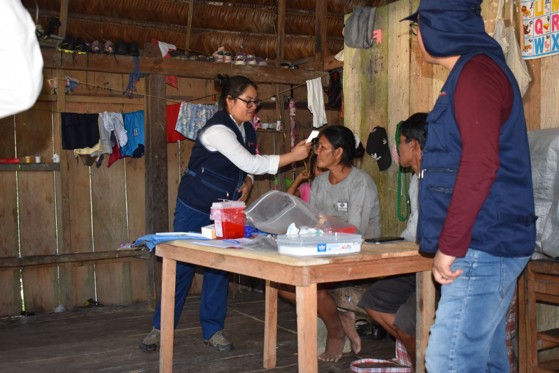
When Malaria Crosses Borders: Why Regional Collaboration Matters More Than Ever
Over the past two decades, the Americas have made remarkable progress against malaria. Several countries have successfully eliminated the disease, and in June 2025, Suriname became the first country in the Amazon region to receive WHO malaria-free certification. Yet, malaria elimination is advancing unevenly across the region. Today, transmission is increasingly concentrated in a limited…
-
Hidden Infections and Changing Mosquitoes: New Challenges for Malaria Elimination in the Americas
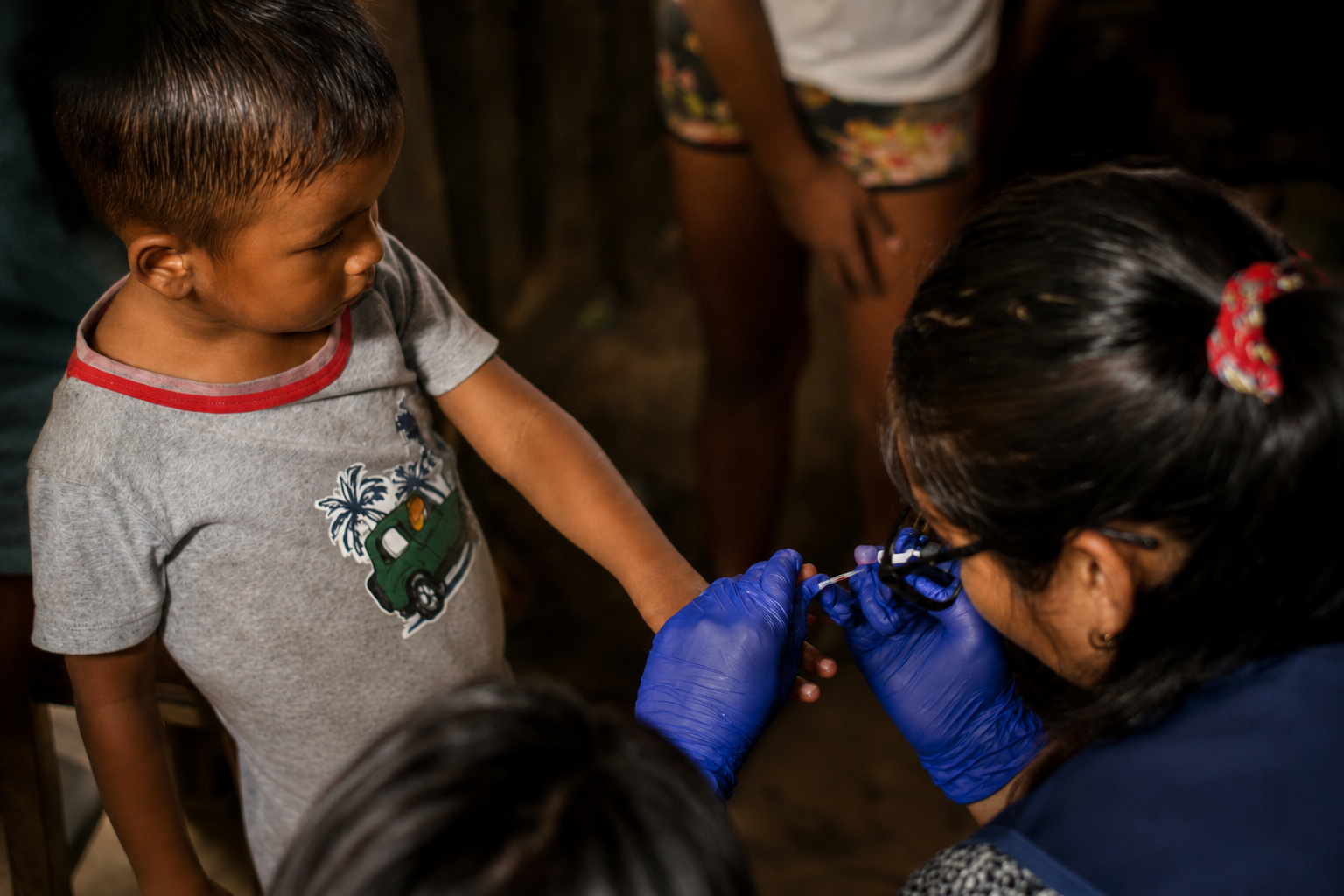
When people think about malaria, they often imagine a patient with fever, chills, and severe symptoms. But malaria can also spread silently. Some infected individuals carry the parasite without feeling sick, creating what scientists call asymptomatic infections. Because these infections usually go unnoticed and untreated, they can continue contributing to malaria transmission within communities. This…
-
World Malaria Day 2026: Advancing Knowledge and Strengthening Efforts Across the Americas
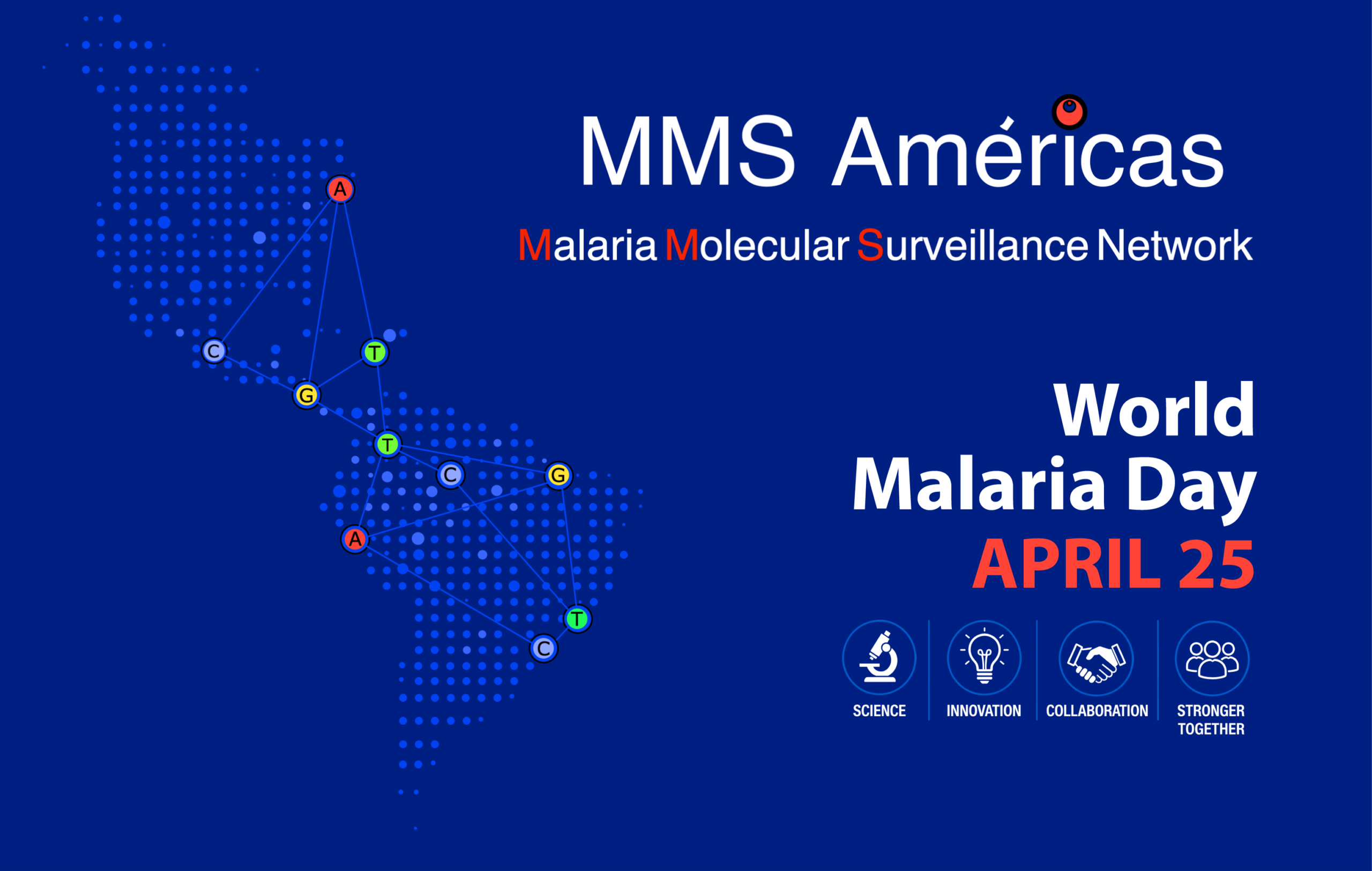
On April 25th, World Malaria Day provides an opportunity to reflect not only on the global burden of cases, but also on how our understanding of the disease continues to evolve, and the challenges that remain to eliminate it. In the Americas, recent studies have shown that malaria transmission is more complex than what routine…